

Volatility calls for treasurers’ trust
Nigel Owen steps back from the day-to-day noise of the Iran conflict to trace how energy prices, and the broader market volatility they're driving, have actually moved over the full period.

Across markets we have seen increased volatility since the start of the war in Iran, with significant intraday moves becoming normalised as market participants react to news reports and comments from leaders involved in the conflict. Sometimes, in periods of volatility it is easy to get caught up in the immediate day-to-day movements, without stepping back and looking at the bigger picture and how things have moved over the full period. That’s what we’re going to do here. One caveat: the volatility we are seeing means pieces like this are loaded with the risk prices are materially different between writing and publishing. However, the sentiment will still hold.
The root cause of most of the volatility is energy prices. These two charts show how the price of oil had been in an overall downward trend since the first stages of the Ukraine-Russia war in 2022 and while the spike in response to the start of hostilities in Iran is steep, it peaked around 10% lower than we saw in 2022… for now.
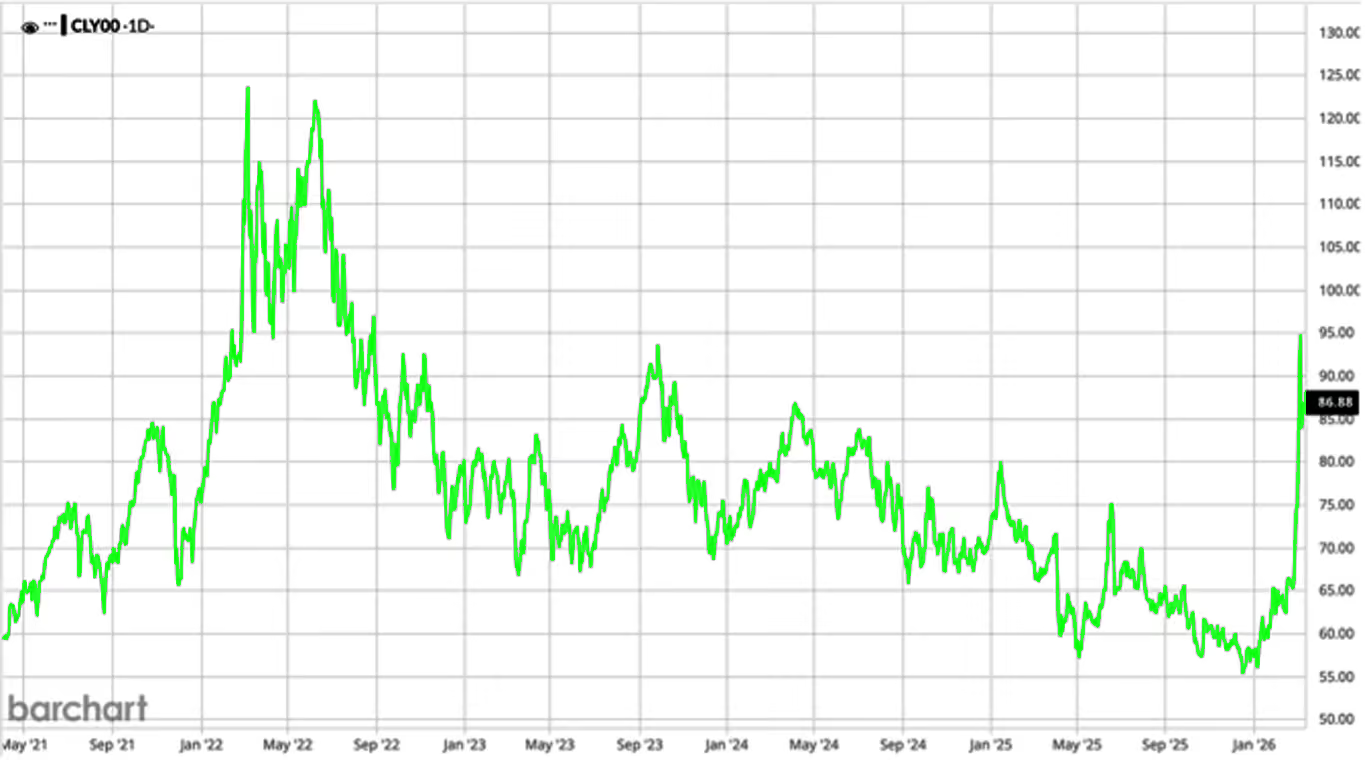
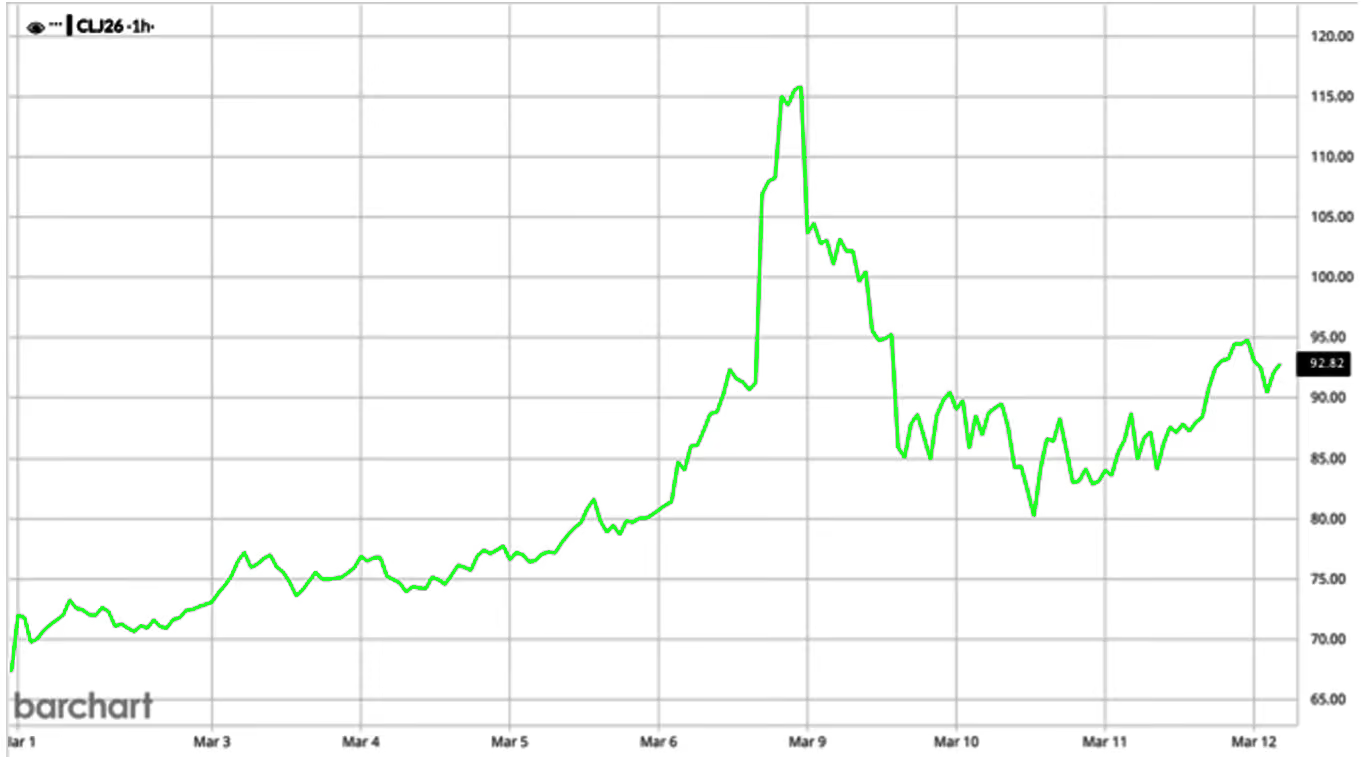
10% intraday trading ranges are now becoming the norm, making exact forecasts for inflation difficult. It can be assumed we are heading for higher inflation, the question is just how much and for how long. David Miles, a member of the Office for Budget Responsibility’s Budget Responsibility Committee, said on Tuesday that Britain’s inflation could end the year at around 3%, rather than around the Bank of England’s target 2% level, which had been assumed before the conflict started. Given ongoing uncertainty, he caveated any predictions right now: “I'd have given you a different answer probably yesterday morning and by the end of this week it will look different again” (UK Parliament).
This volatility affecting forecasting is also shifting rate expectations quite dramatically too.
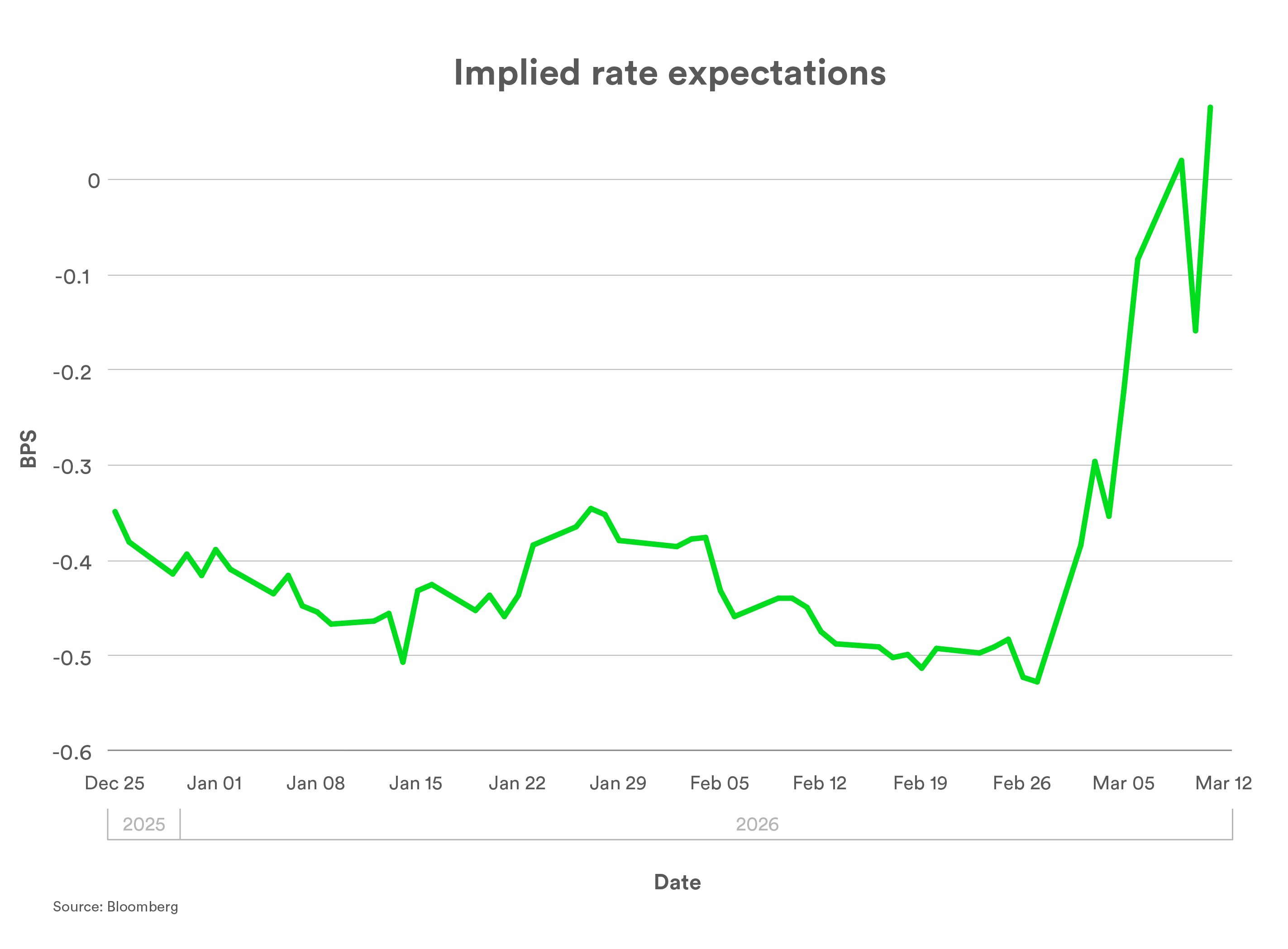
This chart shows the market implied change in the Bank of England’s rate by the end of 2026. Through January the expectation fluctuated between one and two 25bp cuts, before heading towards a full two cuts being priced in by late February. However, the start of the war saw one of those cuts quickly erased, swiftly followed by the second one.
To show how the volatility is exacerbating moves, the drop in oil price earlier this week as a swift end to the war seemed possible saw one cut back on the table, before it was just as quickly taken off as tankers were struck in the gulf, and the possibility of a hike is being debated.
In Europe, the swing has been just as pronounced, with the market expecting a 40% chance of a cut before year end as February drew to a close, but that has now shifted to pricing in a 25bp hike by July, with an 85% implied chance of another before year end.
In summary, the situation is constantly changing, meaning material market moves are happening throughout the day. These are the times your investment policy was built for, to withstand such unexpected but not unforeseeable risks.
Stay close to the news, trust your investment policy, and try to step back to look at the wider picture, rather than get carried away by intraday moves.
Oil price charts provided by Barchart.com. Implied rate expectations provided by Bloomberg.
This article is for information and educational purposes only and does not constitute investment advice or a personal recommendation. All figures are illustrative only and do not guarantee future returns. Any investment decision should be based on your own assessment and, where appropriate, advice from a regulated adviser.
TreasurySpring’s blogs and commentaries are provided for general information purposes only, and do not constitute legal, investment or other advice.


.jpg)
Subscribe to Insights
Explore flexible, diversified funding, built around your requirements.