

Follow the Fed: Treasury impact summary – July 2026
Following a split FOMC vote and stubborn inflation, Nigel Owen and Glen Stone explain why the market is now leaning toward a September hike rather than a cut.
Capital calls, realisations, multi-entity structures, multi-currency flows. TreasurySpring's cash investment platform was built for private funds.

A platform shaped by the industry's most sophisticated managers.


%20(1).avif)

"Onboarding with TreasurySpring has enabled us to easily diversify our cash holdings across some of the most secure counterparties in the market whilst also maximising returns. The platform is simple to use and enables us to manage multiple entities in one place which is particularly useful for a large, complex business such as Hg."
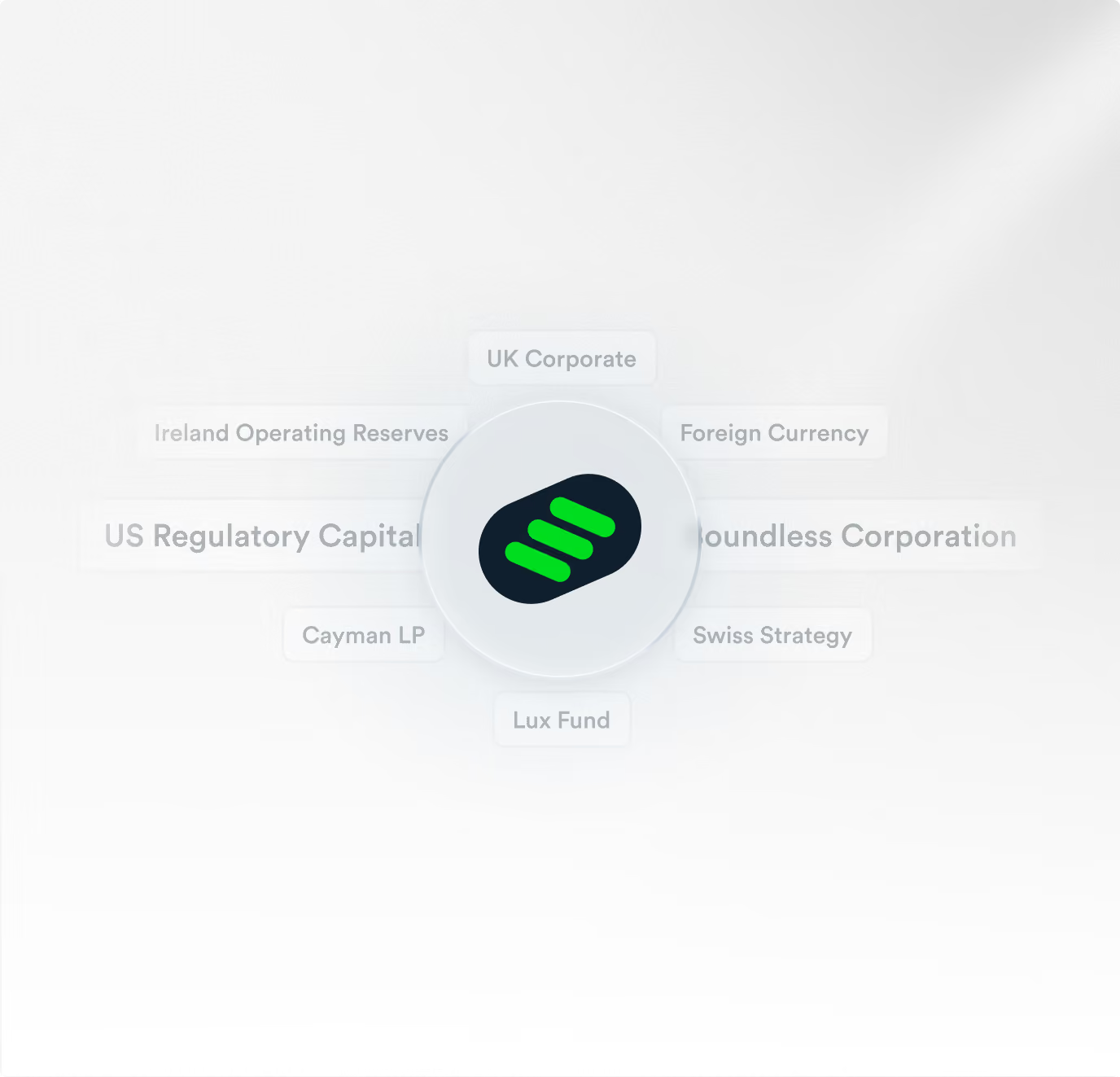
Dozens of entities, jurisdictions, and currencies, each with its own banking relationship, KYC pack, and reporting line.
Limited diversification from relationship banks, leaving cash exposed to credit and concentration risk.
Cash drag at every level – from GPs and LPs, to funds, SPVs, and portfolio companies.
A single, streamlined onboarding for every entity in your structure – free, with no service charges or recurring fees – including in jurisdictions such as Luxembourg, the Channel Islands, Delaware, and beyond.

Terms from one day to one year with same-day execution across time zones. Products available in 9 currencies with integrated, transparent currency conversion between them, enabling the seamless flow of funds across complex structures, at any size and any tenor.

1100+ cash investment products across 120+ investment-grade counterparties supporting anonymous diversification beyond unsecured instruments. Each Fixed-Term Fund (FTF) is a legally segregated, bankruptcy-remote share class – client funds never touch TreasurySpring's balance sheet.

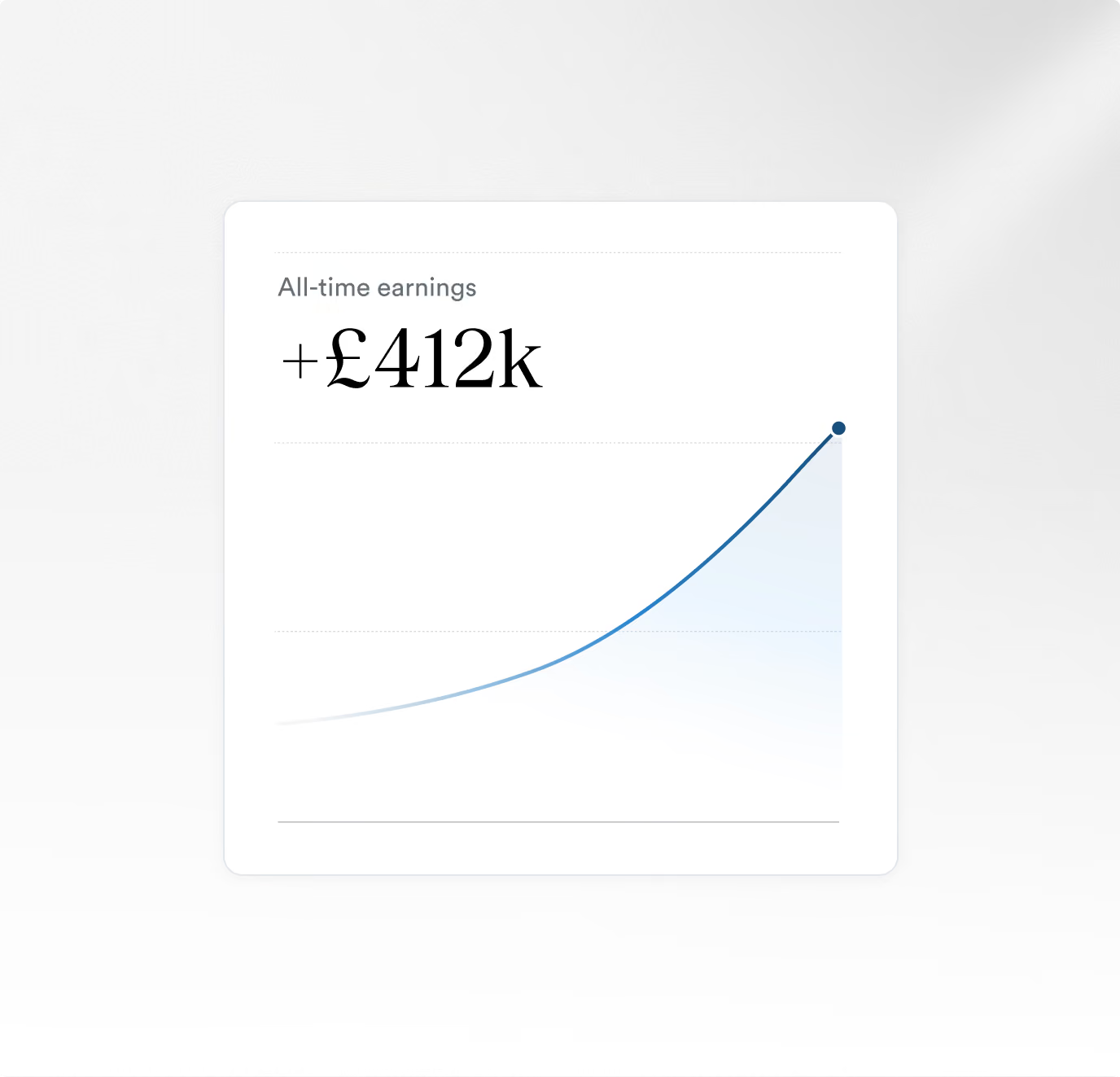
Attractive, net-of-fee returns across every currency we operate in to ensure your cash is working as hard as your capital. Auto-roll ensures cash never sits idle between investment cycles.

In private funds, every basis point is fought for – in fee negotiations, dealmaking, and exit valuations. Cash strategy deserves the same scrutiny. Below is what precision cash management can look like in practice, drawn from our work with 450+ private fund entities global buyout, mid-market, credit, and venture.
Figures are illustrative and based on a fictional $10bn UK-based PE manager. Assumes cash is invested in USD; USD base rate 4.25%; management fees 1.75–2% of fund size, distributed quarterly; deal sizes c.$500m; deal multiples ~2x; evergreen fund offers monthly subscriptions with a 5% redemption gate (7.5% cash buffer); currency conversion between two G7 currencies where TreasurySpring can access sufficient liquidity.
Demonstrate to investors that every dollar, pound, or euro of committed capital is being managed with precision and intent.
A documented cash process that stands up to board and Limited Partner Advisory Committee (LPAC) scrutiny.
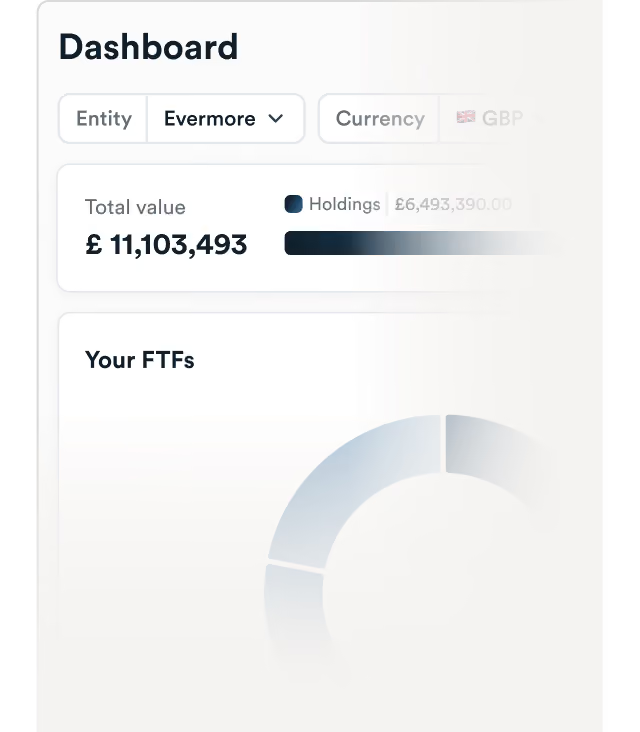
Centralised visibility and reduced concentration risk across the structure.
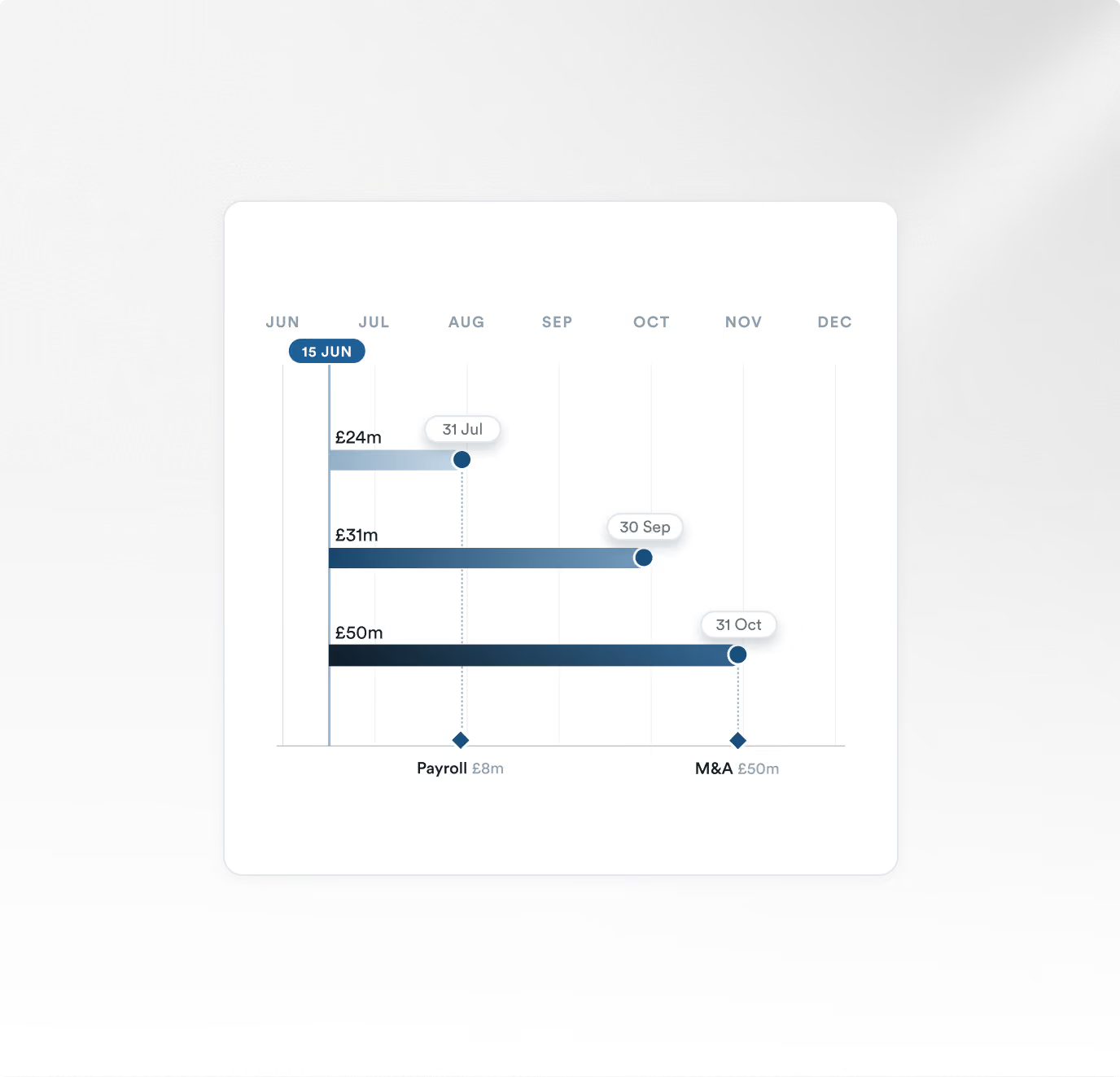
Put committed capital to work between commitment and call.
Funds can deploy called cash from the moment it lands. GPs can optimise idle cash set aside for capital calls.
Earn yield on escrow awaiting approvals and close.
Find a compliant, yielding home for required reserves. Optimise management fees and operating capital.
Generate returns and ensure the security of proceeds, right up to the moment of distribution.
Extend the platform to portfolio companies with family pricing to ensure competitive rates.
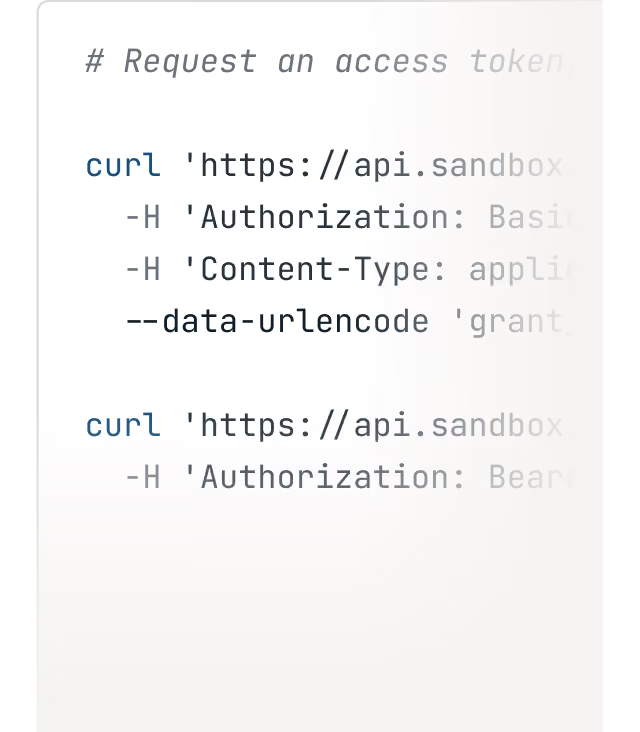
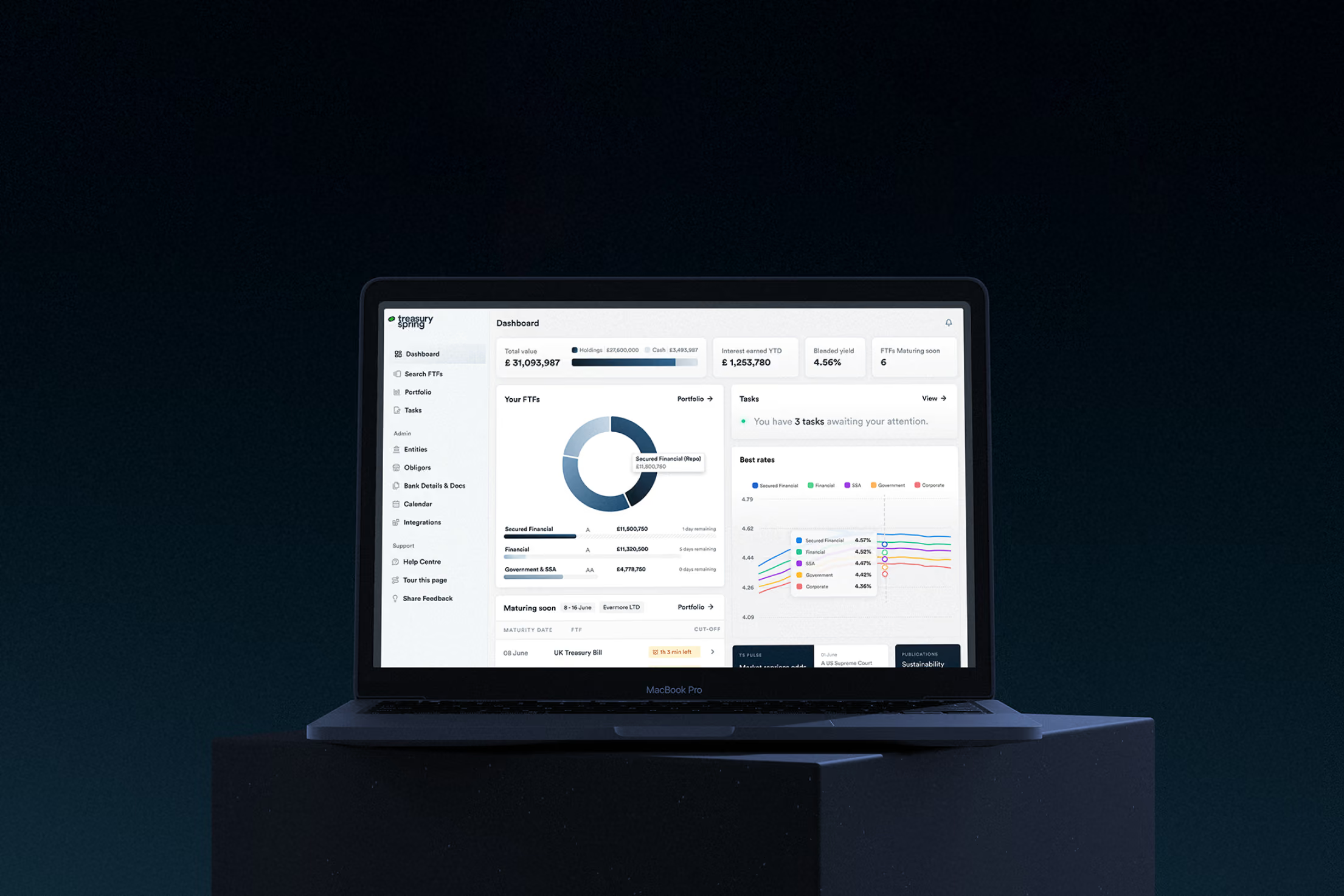
Whether you prefer a portal, your existing treasury tools, or a direct API – we meet you there. Access to 120+ investment-grade counterparties and a menu of 1100+ FTFs, on your terms.
Sharp insights from some of the sharpest minds in treasury – combining deep experience, fresh thinking, and a healthy appetite for doing things differently. Your place for smart, thought-provoking perspectives on capital markets, treasury, and the changing world of cash management.

Following a split FOMC vote and stubborn inflation, Nigel Owen and Glen Stone explain why the market is now leaning toward a September hike rather than a cut.